

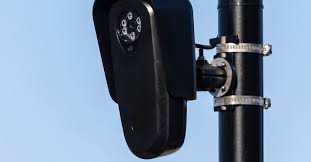
(LANSING) - The growing use of automated license plate readers by police departments across Michigan is fueling a statewide debate over privacy, surveillance, and data sharing.
Law enforcement agencies in more than 125 Michigan counties and municipalities use license plate reader technology provided by Flock Safety, an Atlanta-based firm. Police agencies say the cameras help locate stolen vehicles, solve crimes, and assist investigations by capturing images of passing cars and license plates.
But critics warn the rapid expansion of the technology has outpaced oversight. Michigan currently has no statewide law regulating how license plate reader data is stored, shared, or retained, leaving those decisions to individual local governments.
Concerns have intensified following reports that data collected by local police has been accessed by federal immigration authorities. While Flock Safety says it does not directly share data with federal agencies, reporting by Bridge Michigan found that local and state police have conducted searches on behalf of federal partners.
Several communities have responded by pulling back. Cities including Bay City and Ferndale have ended contracts with Flock Safety following public opposition. Ferndale officials are now considering a new contract with a different vendor, contingent on the adoption of privacy and surveillance oversight ordinances.
In Detroit, Police Chief Todd Bettison has said the department does not share license plate data with U.S. Immigration and Customs Enforcement. Despite those assurances, Detroit City Council members have requested a detailed report on how data from the city's more than 500 license plate readers is being used.
Law enforcement leaders argue the technology is critical for public safety, particularly as departments face staffing shortages. Waterford Township Police Chief Scott Underwood has described license plate readers as a responsible and ethical "force multiplier" that helps officers work more efficiently.
Privacy advocates disagree. Groups such as the Electronic Frontier Foundation and the ACLU of Michigan warn that continuous tracking of vehicles can reveal detailed patterns about where people live, work, worship, and seek medical care.
At least 16 states have passed laws regulating license plate reader use and data retention. Michigan has not, resulting in a patchwork of local rules with varying levels of transparency and public oversight.
As more communities adopt--or reject--the technology, discussions continue statewide over how to balance crime-fighting tools with the protection of personal privacy.